Moving an Empire: A Definitive Transportation Playbook for Multi-City Executive Events
The annual investor summit. The multi-city product launch. The industry conference that draws board members, institutional partners, and media from across the country. These are the events that define an organization's public identity — and every dimension of their execution reflects on the brand that convenes them.
Most corporate event planning focuses, reasonably enough, on venues, catering, audiovisual production, and programming. Ground transportation is frequently treated as a secondary consideration — something to be arranged once the larger elements are in place. This is a strategic miscalculation. In the world of high-profile executive events, how participants arrive and move between engagements is as consequential as what happens inside the room.
For corporate event planners and the C-suite executives who oversee them, what follows is a comprehensive framework for approaching luxury ground transportation as the strategic function it genuinely is.
Understanding the Stakes: Why Transportation Is a Brand Statement
When a Fortune 500 company convenes its most important stakeholders — investors, board members, key clients, strategic partners — every touchpoint communicates something about the organization's standards and capabilities. The quality of the hotel communicates it. The caliber of the keynote speakers communicates it. The precision of the agenda communicates it.
So does the car that picks up your lead investor from JFK at 6:00 a.m.
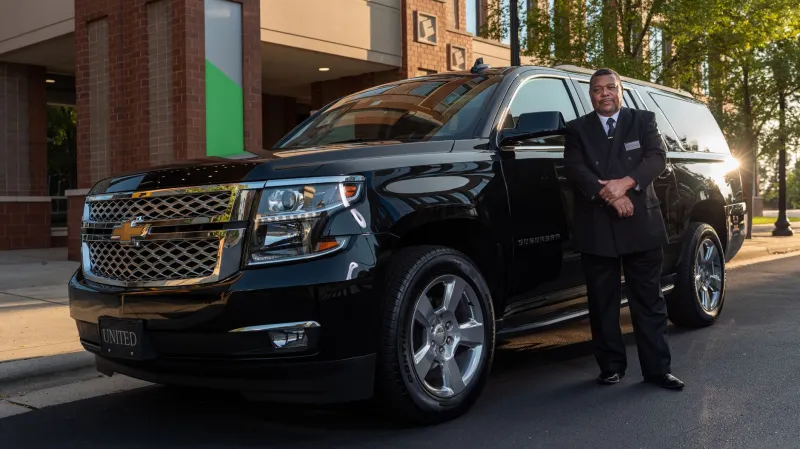
A premium, professionally executed ground transportation experience signals to every arriving participant that they are valued, that the event has been thoughtfully planned, and that the organization behind it operates at the level it claims to operate at. A disorganized, delayed, or substandard transportation experience communicates the opposite — and it does so before a single presentation has been delivered.
In multi-city events, where participants may be moving between New York, Chicago, San Francisco, and Miami within the span of a week, this dynamic is amplified. Each city represents a new first impression, a new opportunity to reinforce organizational excellence — or to undermine it.
Phase One: Strategic Planning and Fleet Alignment
Effective multi-city transportation begins not with vehicle selection but with a thorough understanding of the event's participant profile. Who is attending? What are their specific travel needs? Which participants require the highest tier of service — and which require specialized accommodations such as enhanced privacy, accessibility features, or additional security protocols?
Once the participant matrix is established, the next step is fleet alignment. Not every engagement requires the same vehicle category. An airport transfer for a senior board member warrants a different configuration than a group transfer between conference venues for a cohort of regional sales directors. A cohesive luxury transportation strategy assigns the appropriate vehicle to the appropriate context — consistently and without exception.
For multi-city events, this requires coordination with a transportation partner who has a verified, premium presence in each market. Inconsistency between cities — where participants experience exceptional service in New York and mediocre service in Dallas — is not merely an inconvenience. It creates a fragmented brand experience that sophisticated attendees will notice and remember.
Phase Two: Logistics Architecture and Timing Protocols
The operational complexity of multi-city executive transportation is substantial, and it rewards meticulous planning. Several principles should guide the logistics architecture:
Buffer time is non-negotiable. Executive schedules are dense and dynamic. Ground transportation timelines must incorporate sufficient buffer between arrivals, venue transfers, and departures to absorb the inevitable delays — a presentation that runs long, a conversation that extends at the cocktail reception, a flight that arrives late. The transportation plan that assumes perfect timing will fail.
Real-time communication channels must be established. The event planner, the transportation coordinator, and the lead driver for each participant group should operate within a shared communication protocol. When a flight is delayed, the transportation team should know before the passenger lands. When a meeting runs over, the driver should be notified immediately. This requires investment in communication infrastructure, not just vehicle procurement.
Redundancy is a professional standard. For the most critical transfers — the arrival of a keynote speaker, the movement of a principal investor between venues — a backup vehicle should be positioned and ready. This is not an excessive precaution. It is the standard that defines the difference between a premium transportation program and an adequate one.
Phase Three: Executive Wellness and the Road Between Engagements
Multi-city events are physically and cognitively demanding. Executives who are presenting, negotiating, and networking across multiple days and time zones are operating under significant cumulative stress. The intervals between engagements — the transfers between hotel and venue, between venue and airport, between city and city — represent the only available windows for recovery and preparation.
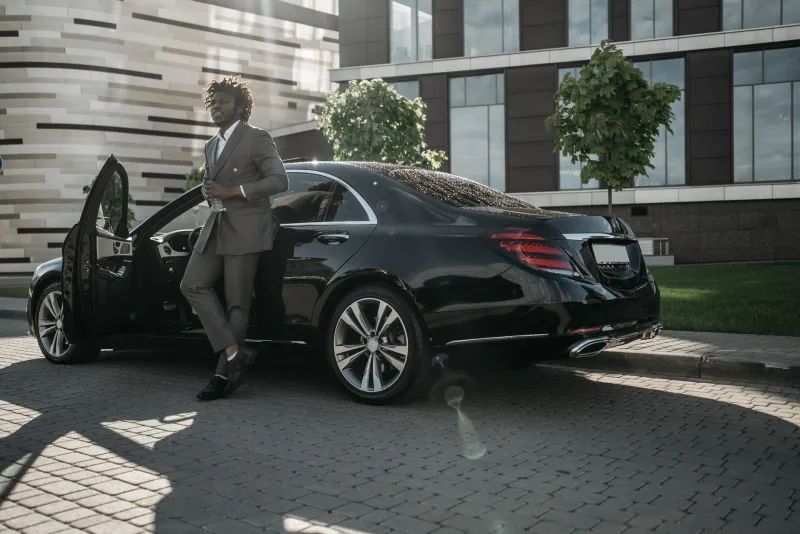
Premium ground transportation maximizes the value of these windows. A professionally driven luxury vehicle provides a quiet, controlled environment in which an executive can decompress after an intense session, review materials for the next engagement, conduct a private call, or simply rest. This is not a trivial benefit. Cognitive performance at the end of a multi-day executive event is meaningfully influenced by how well the intervals between engagements were managed.
Event planners who understand this dynamic design transportation experiences that actively support executive wellness — vehicles with premium climate control, quiet cabins, reliable connectivity, and drivers who understand that silence is sometimes the most valuable service they can provide.
Phase Four: Cohesive Brand Presentation Across All Markets
For organizations that invest in multi-city event programming, the transportation experience is a brand extension. The vehicle fleet, the driver presentation, the communication style, and the service standards should reflect the organization's identity as consistently as its signage, materials, and stage design.
This means working with a transportation partner who can deliver a uniform standard of excellence regardless of market. It means briefing drivers on the organization's culture and the specific needs of key participants. It means ensuring that every vehicle is immaculate, every pickup is on time, and every interaction reinforces the impression that this is an organization that does not cut corners — not even at the curb.
The Integrated Transportation Strategy
The most sophisticated corporate event programs treat ground transportation not as a line item to be minimized but as a strategic investment to be optimized. When transportation is planned with the same rigor as the programming itself, the result is an event experience that is cohesive, elevated, and genuinely reflective of the organization's capabilities.
At Ace Plus Luxury Car Service, we partner with corporate event planners and executive teams to deliver precisely this standard — across cities, across schedules, and across the full arc of events that define an organization's year. Because moving an empire requires more than vehicles. It requires a partner who understands what is at stake at every stop.