What Your Driveway Is Really Costing You: The True Price of Personal Vehicle Ownership
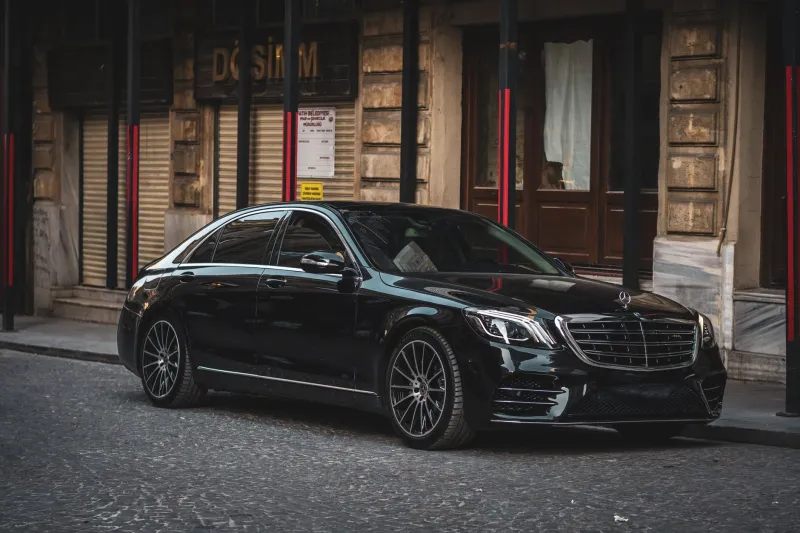
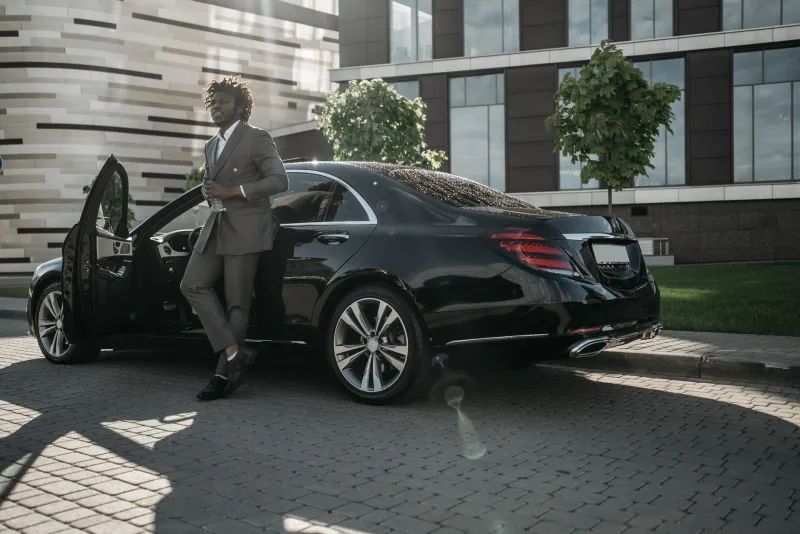
For decades, vehicle ownership has been treated as an unquestioned cornerstone of the American lifestyle — a symbol of independence, status, and personal freedom. Yet for a growing segment of high-net-worth individuals across the United States, that assumption is undergoing serious scrutiny. When subjected to the same analytical discipline applied to equities, real estate, or alternative investments, the personal automobile reveals itself to be a remarkably inefficient use of capital.
This is not an argument against luxury or comfort. Quite the opposite. It is an invitation to examine whether the form of that luxury — outright vehicle ownership — is genuinely serving your financial interests, or quietly undermining them.
The Depreciation Curve No One Talks About at the Dealership
The moment a new vehicle leaves the lot, its value begins an immediate and largely irreversible decline. According to data from Edmunds and Kelley Blue Book, the average new car loses between 15 and 25 percent of its value within the first year of ownership. A luxury vehicle purchased at $120,000 may be worth $90,000 or less twelve months later — a paper loss of $30,000 that no maintenance schedule or careful driving can prevent.
Over a five-year ownership cycle, that same vehicle may retain only 40 to 50 percent of its original purchase price. For ultra-luxury marques — European sedans, performance SUVs, and bespoke models — the depreciation curve can be even steeper, depending on market saturation and model-year transitions. Unlike equities that may recover or appreciate over time, a depreciating vehicle offers no such upside.
The financial reality is blunt: vehicle ownership is, at its core, a long-term expense masquerading as an asset.
Insurance, Maintenance, and the Costs That Compound Quietly
Beyond depreciation, the ongoing operational costs of personal vehicle ownership accumulate with surprising speed. For luxury vehicles, comprehensive insurance premiums in major US metropolitan areas — New York, Los Angeles, Chicago, Miami — routinely exceed $3,000 to $6,000 annually, and significantly more for high-performance or collector-grade automobiles.
Scheduled maintenance for European luxury marques can run $1,500 to $4,000 per service interval, with major services reaching well beyond that threshold. Tire replacements on performance-spec vehicles, brake system overhauls, and technology updates — features that manufacturers frequently require to maintain warranty coverage — add further layers of expense.
Then there is parking. In cities like Manhattan or San Francisco, monthly garage fees for a single vehicle can exceed $500 to $800. For those maintaining multiple vehicles or homes in different markets, these costs multiply accordingly. Valet services, airport parking, and event parking fees — individually modest, collectively substantial — rarely appear in anyone's mental accounting of vehicle costs.
When aggregated annually, these operational expenses can easily reach $15,000 to $30,000 or more for a single luxury vehicle, entirely independent of the depreciation already absorbed.
The Opportunity Cost Equation
Perhaps the most overlooked dimension of personal vehicle ownership is opportunity cost — the return that capital deployed toward a vehicle could have generated elsewhere.
Consider an individual who purchases a $150,000 luxury sedan outright. That same capital, invested in a diversified portfolio yielding a conservative 7 percent annual return, would generate $10,500 in the first year alone. Over a five-year ownership period, the compounding effect becomes even more pronounced. The vehicle, meanwhile, continues its depreciation trajectory.
For executives and entrepreneurs whose time commands a premium, there is a second, equally important dimension of opportunity cost: the hours spent driving. A CEO navigating rush-hour traffic between Manhattan and Westchester, or an executive commuting between downtown Chicago and O'Hare International Airport, is not simply losing time — they are losing productive, billable, or strategic hours that could be directed toward high-value work, client communication, or genuine rest.
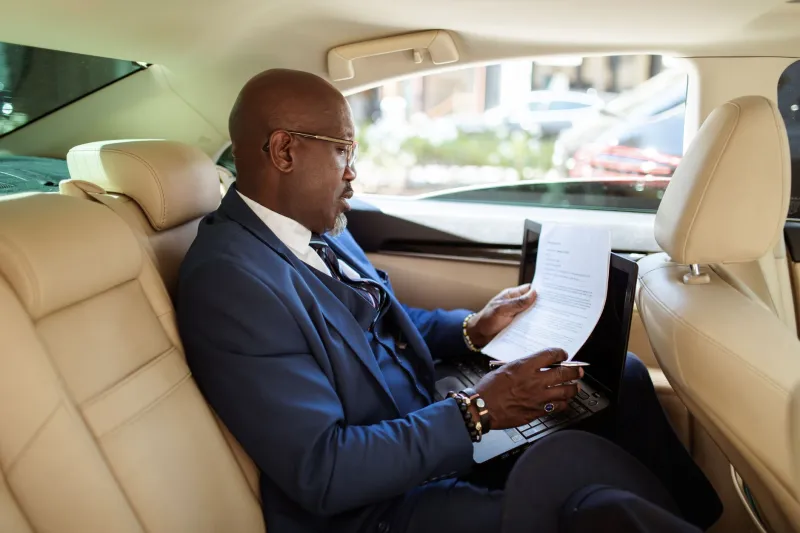
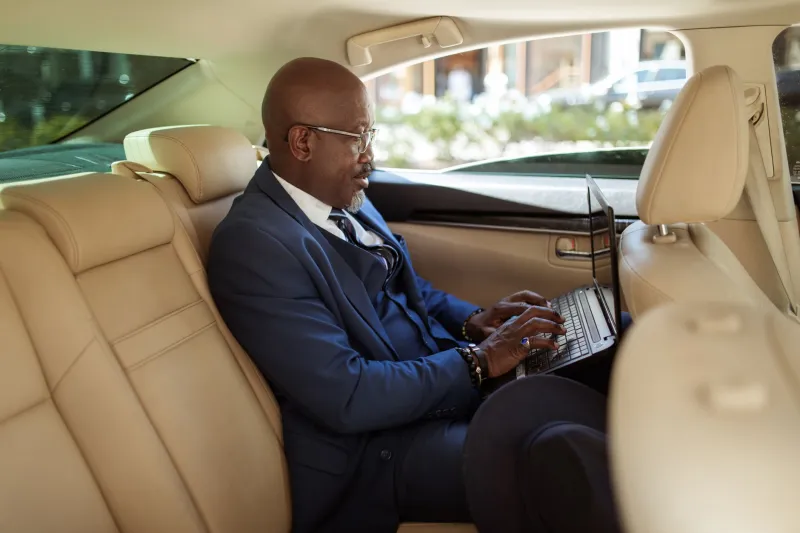
Professional chauffeur service eliminates this friction entirely. The vehicle becomes a mobile workspace — a quiet, connectivity-enabled environment where calls are taken, documents reviewed, and decisions made. The road becomes an extension of the office rather than an interruption to it.
How High-Net-Worth Individuals Are Reframing Transportation
Across the United States, a meaningful shift is underway among affluent professionals and executives. Rather than viewing transportation as a fixed asset to be owned and maintained, forward-thinking individuals are increasingly treating it as a service to be accessed on demand — one that delivers consistent quality, eliminates operational overhead, and scales to their actual needs.
Luxury car service subscriptions and professional chauffeur arrangements offer a compelling alternative calculus. For a fraction of the total annual cost of vehicle ownership, clients gain access to a fleet of meticulously maintained, late-model luxury vehicles — without depreciation exposure, insurance liability, maintenance scheduling, or parking logistics. Every journey is managed, every detail anticipated.
At Ace Plus Luxury Car Service, this model is precisely what we have built our reputation upon. Our clients are not simply hiring a driver — they are reclaiming time, eliminating financial inefficiency, and arriving at every destination composed, prepared, and in command. Whether the need is airport transfers, corporate roadshows, or private event transportation across multiple cities, the experience is seamlessly consistent.
A Wealth Management Perspective
Financial advisors who work with high-net-worth clients are increasingly incorporating transportation strategy into broader wealth conversations. The question is no longer simply what car should I drive, but what transportation model best serves my financial objectives, my time, and my lifestyle.
For individuals who drive fewer than 10,000 to 12,000 miles annually — a common profile among urban executives who travel frequently by air — the mathematics of ownership become particularly difficult to justify. The fixed costs remain constant regardless of vehicle utilization, while a service-based model aligns expenditure directly with actual use.
This is not a sacrifice of luxury. It is a refinement of it. The vehicles remain exceptional. The experience remains elevated. What disappears are the hidden costs, the administrative burden, and the capital inefficiency that ownership silently imposes.
Arriving at a Smarter Conclusion
The American relationship with the personal automobile is deeply cultural, and there is nothing inherently wrong with valuing the ownership experience. But for those who approach their financial lives with precision and intentionality, the calculus deserves honest examination.
Depreciation, insurance, maintenance, parking, and opportunity cost do not appear on a single invoice. They accumulate quietly, year after year, in ways that rarely trigger the same scrutiny as an underperforming investment. When they are brought into full view, however, they reveal a compelling case for reconsidering how premium transportation is structured.
The most sophisticated approach to luxury is not simply spending more — it is spending with clarity, purpose, and strategic awareness. For a growing number of discerning individuals across the United States, that awareness is pointing toward a new model: one where the vehicle is always exceptional, the service is always impeccable, and the financial drag of ownership is simply no longer part of the equation.
Ace Plus Luxury Car Service provides premium chauffeur and luxury transportation services across the United States. Explore how a service-based transportation model can be tailored to your professional and personal needs at aceplusluxurycarservice.com.